
What Skills Should Artists Value in the Age of AI Music?
Why AI-assisted music production may make taste, judgment, rejection and songwriting fundamentals more valuable, using Brian Myk of Rocket Horse as a case study.

Ongoing coverage of the models, tools, artists, and industry decisions reshaping how music gets made.

An editorial analysis of Suno V6, creator experiments, prompt limits and why editability may matter more than first-pass generation quality for AI music production.
Read the storySearch every story, or narrow the archive by topic and publication date.

Showing 68 of 68 articles

Why AI-assisted music production may make taste, judgment, rejection and songwriting fundamentals more valuable, using Brian Myk of Rocket Horse as a case study.

The IFPI Streaming Integrity Initiative sets new anti-fraud standards for distributors, with implications for AI music, rights verification and streaming platforms.

UMG’s DistroKid lawsuit tests distribution accountability, while major licensing deals widen creator choices and AudioShake takes dialogue isolation live.

AI music is making options cheap. Vitalii Klimenko’s workflow shows why the next production advantage may be taste, rejection and creative judgment.

An interview with DNØR creator Doniell Clay’s and what fictional performers reveal about identity, authorship and human emotion in AI music.

An editorial analysis of Suno V6, creator experiments, prompt limits and why editability may matter more than first-pass generation quality for AI music production.

A follow-up editorial on the diamond industry analogy for AI music, arguing that abundance shifts value from production to attention, provenance, trust and distribution.

An evidence-led analysis of CVC’s majority investment in DistroKid, the economics of unlimited distribution, and what AI music creators should watch next.

Generative AI removed much of the scarcity from music creation. New export limits and distributor scrutiny may now raise the cost of mass releasing AI music.

Government fair use arguments meet a new Suno lawsuit, while Roland and AudioShake narrow AI tools toward practical workflows and Brazil shows royalty scale.

Sony Music Publishing and Warner Chappell’s lawsuit against Anthropic joins a wave of Suno AI music cases that could reshape copyright, licensing, voice rights and generative music platforms.

Publishers challenge Anthropic over alleged training copies as labels invest in Stability AI and Australia draws a human authorship line around chart eligibility.

A Kuala Lumpur street-market encounter with AI-generated music USB sticks reveals a strange new grey market for synthetic albums, AI covers, imitation, piracy, and licensing.

Deezer confronts an AI upload majority, while creator revenue rules, a label alliance, and new generation tools redefine the industry’s practical choices.

This week, Suno pairs a global BMG partnership with Studio 2.0, while Spotify makes AI persona identity a visible factor in music discovery and recommendation.

Suno takes AI songs to vinyl, GEMA packages licensed training data, and Deezer pairs AI products with a profitable first half in a maturing market.

Leaked code alleges Suno trained on scraped music; Sony renewed suit over 30,000 recordings; rights groups and platforms advanced licensing and artist revenue tools.

The AI music industry is moving toward formal licensing, disclosure labels and contract-driven rights disputes. Here is what that means for AI music creators.

An analytical look at Sony's new technology that identifies source material for AI-generated songs and its implications for future music licensing.

Exploring the implications of classifying AI-generated music and its impact on authentic artists.

Explore the latest features in Suno Studio 1.2 and their impact on music creation.

In a bold move to protect human artists, Bandcamp has announced a ban on music that is "generated wholly or in substantial part by AI."

Explore Tame Impala's Kevin Parker's views on artificial intelligence in music and why he's not concerned.

Lunar Boom Studio offers browser-based 8D autopan, reverb, bass boost and pitch shifting with local audio processing and no remote file upload required.

Suno's Warner Music Group partnership adds artist-approved AI uses and licensing while Udio builds a separate major-label relationship with Universal.

Suno raised $250 million at a $2.45 billion valuation, with Menlo Ventures leading a Series C aimed at models, Suno Studio and broader creator tools.

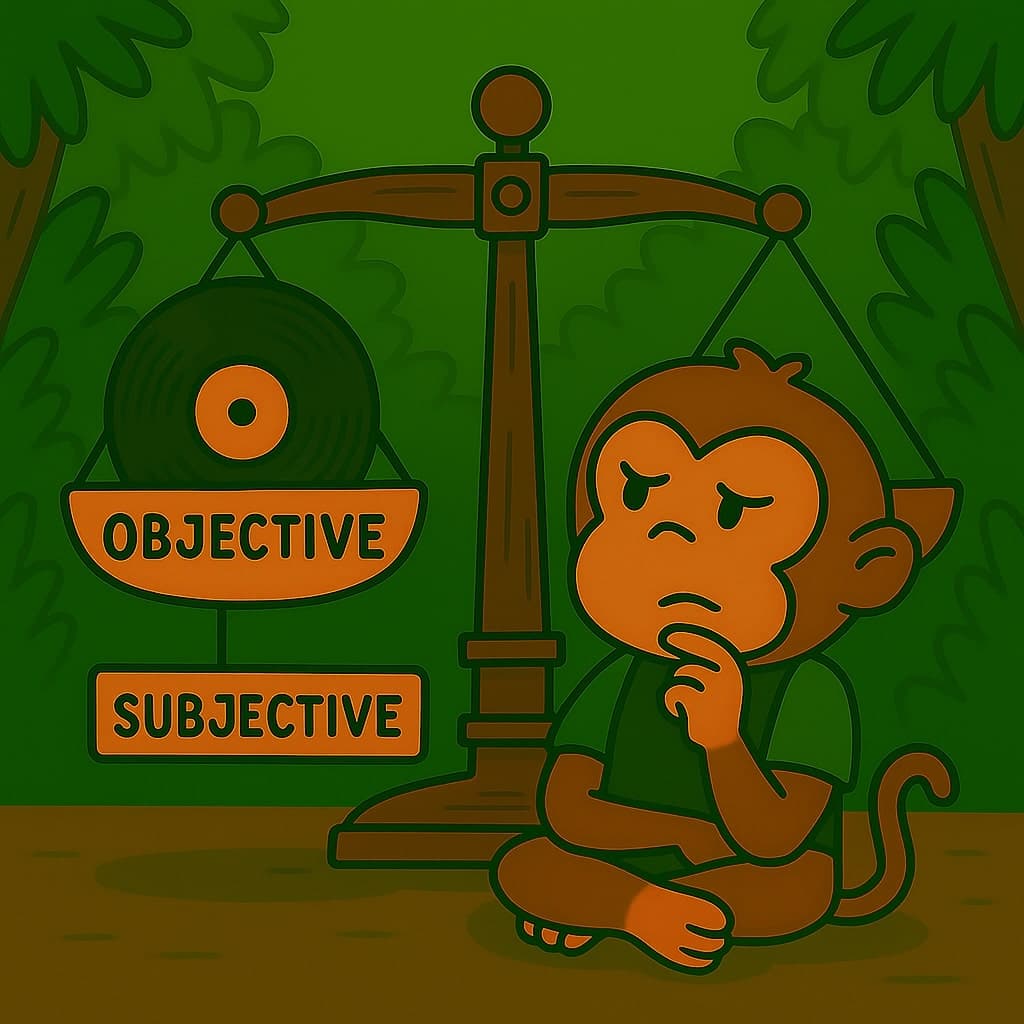
Objective value explains music's practical usefulness, while subjective value comes from identity and meaning, a distinction that grows more important with AI.

A Cloudflare outage disrupted Suno, Artlist, Soundraw and Riffusion, showing how shared web infrastructure can take several AI music tools offline together.

Suno upgraded free users to v4.5 All while pursuing a $2 billion valuation, as v5, Suno Studio, rapid revenue growth and copyright disputes developed together.

Koda's lawsuit against Suno challenges alleged unlicensed training on Danish songs and generated outputs, putting training data and similarity before courts.

Udio users criticized lost downloads and Pro features as its UMG partnership began, exposing how musicians depend on export access in cloud-based AI workflows.

Udio's Universal Music Group partnership aims to bring artist-approved voices, styles and catalogues into AI creation while giving rights holders more control.

Download free royalty-free Halloween music for videos, games and events, including cinematic suspense, jazzy seasonal tracks, eerie loops and spooky piano.

Learn the differences between Gamelan Bali, Kecak and Joged Bumbung, three Balinese music styles built around percussion, chanting and bamboo dance music.

Lunar Boom's AI Music Quiz collected over 240 responses, with listeners misidentifying about 35% of tracks when judging human-made and AI-generated music.

Spotify's AI partnerships with major music companies raise questions about opt-in training, compensation and artist-controlled models built with permission.

ElevenLabs built its AI music pitch around licensed and opted-in material, while Suno faced lawsuits alleging unauthorized copyrighted music in training.

AI choirs could assign separate generative voices to soprano, alto, tenor and bass, creating flexible digital ensembles while changing the conductor's role.

Lab-grown diamonds offer a model for AI music, where scalable low-cost creation can grow while human music retains value through identity and provenance.

Suno V5 users praised faster songwriting and clearer sound, while others reported genre drift, ignored BPM settings, failed voice changes and weak control.

Spotify's response to AI music spam focuses on mass-upload detection, impersonation rules and disclosure, separating legitimate AI creation from platform abuse.

ANote Music lets investors buy fractional exposure to music royalties, making the asset class more accessible while catalogue and liquidity risks remain.

Royalty Exchange sells music royalty assets through competitive auctions, using public bidding and a five-minute extension rule before one buyer wins the asset.

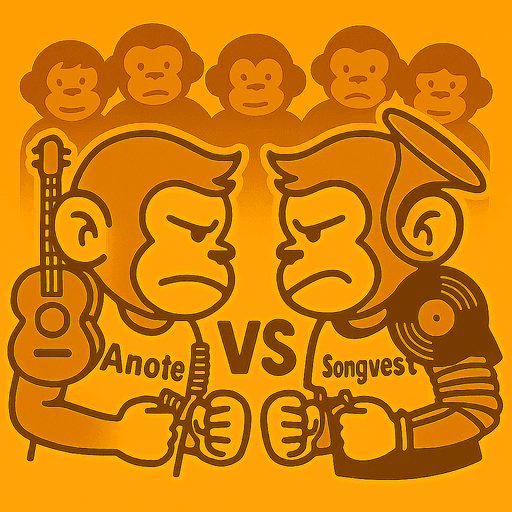
SongVest offers fractional SongShares tied to individual tracks, while ANote Music focuses on catalogue royalties with detailed tracking and secondary trading.

ANote Music offers fractional catalogue royalty investing through a web marketplace, while Royal used music NFTs tied to song royalties and fan experiences.

Emily Portman's name was used for an unauthorized AI album, highlighting the difference between identity theft and consent-based licensing of an artist's voice.

AI slop combines mass-generated music with concerns over streaming fraud, disclosure and unclear provenance, while serious AI-assisted creation stays distinct.

Choir Rock combines Latin-style choral voices with electric guitars and drums, creating a large ceremonial sound with the drive and weight of rock music.

Lawsuits against Suno and Udio challenge alleged unlicensed AI training, while labels, artists and platforms explore licensing and anti-fraud approaches.

Magenta RealTime uses an 800-million-parameter model to generate music fast enough for live prompting, improvisation and interactive AI music experiments.

Download royalty-free synth techno for videos, games and sci-fi projects, including cold ambient, industrial and rave-inspired tracks from Lunar Boom Music.

Content creators can partner with artists for an agreed share of song revenue, linking social media promotion directly to the music they help distribute.

AI artists on Spotify raised questions about voice cloning, disclosure and competition as platforms allowed generated music while protecting artist identities.

Download royalty-free bossa nova for videos, podcasts and social content, with guitar, jazz, slowed, chill and reggae variations from Lunar Boom Music.

Find royalty-free lofi music for videos, podcasts and social content, including reggae, space-themed and Christmas lofi collections from Lunar Boom Music.

Music royalty splits can reward collaborators and promoters through streaming revenue, while sales of future revenue rights require careful legal treatment.

Lunar Boom launched in 2024 as an AI-first music label, using AI-assisted production and a public genre database to build music across a wide range of styles.

Five AI-linked music projects from 2025 show the range of virtual idols, synthetic rappers, fictional bands and AI-first labels emerging around music.

Suno v4.5 added eight-minute songs, more expressive vocals, better prompting, genre blending and improved audio quality for paid AI music creators.

SoundCloud's AI terms raised concern over artist uploads, while the company said its current AI use focused on tools, recommendations and fraud detection.

An MIT Technology Review listening test produced an average 46% score when participants tried to distinguish short Udio tracks from human-made music.

Google's Music AI Sandbox added Lyria 2 and tools to create, extend and edit musical ideas, with broader access for artists in the United States.

AI is reshaping songwriting, production, recommendations and artist discovery while raising harder questions about ownership, data use and creative control.

Aiva's Lyra generates instrumental tracks up to 10 minutes, while Riffusion's Fuzz-1.0 adds remixing, stem tools and new paid membership plans.

From tape and multitrack recording to DAWs, cloud collaboration and AI, music production has steadily moved more creative control to individual producers.

Five practical music production plugins covering EQ, saturation, reverb, synthesis and mastering, with a clear explanation of what each tool is best used for.

Build a capable home studio without overspending by choosing essential recording gear, treating the room first and upgrading only where your workflow needs it.

Vinyl's revival goes beyond nostalgia, combining deliberate listening, analog character, collectible packaging and continued growth in physical record sales.
Keep exploring