
Neo-bop jazz
Also known as Neotraditionalist jazz, new swing
A concise, evidence-based update that treats neo-bop as an early-1980s jazz revival rather than a sharply bounded school. The entry keeps the style grounded in documented straight-ahead lineage and uses verified artist and recording pages for examples.
Origins and context
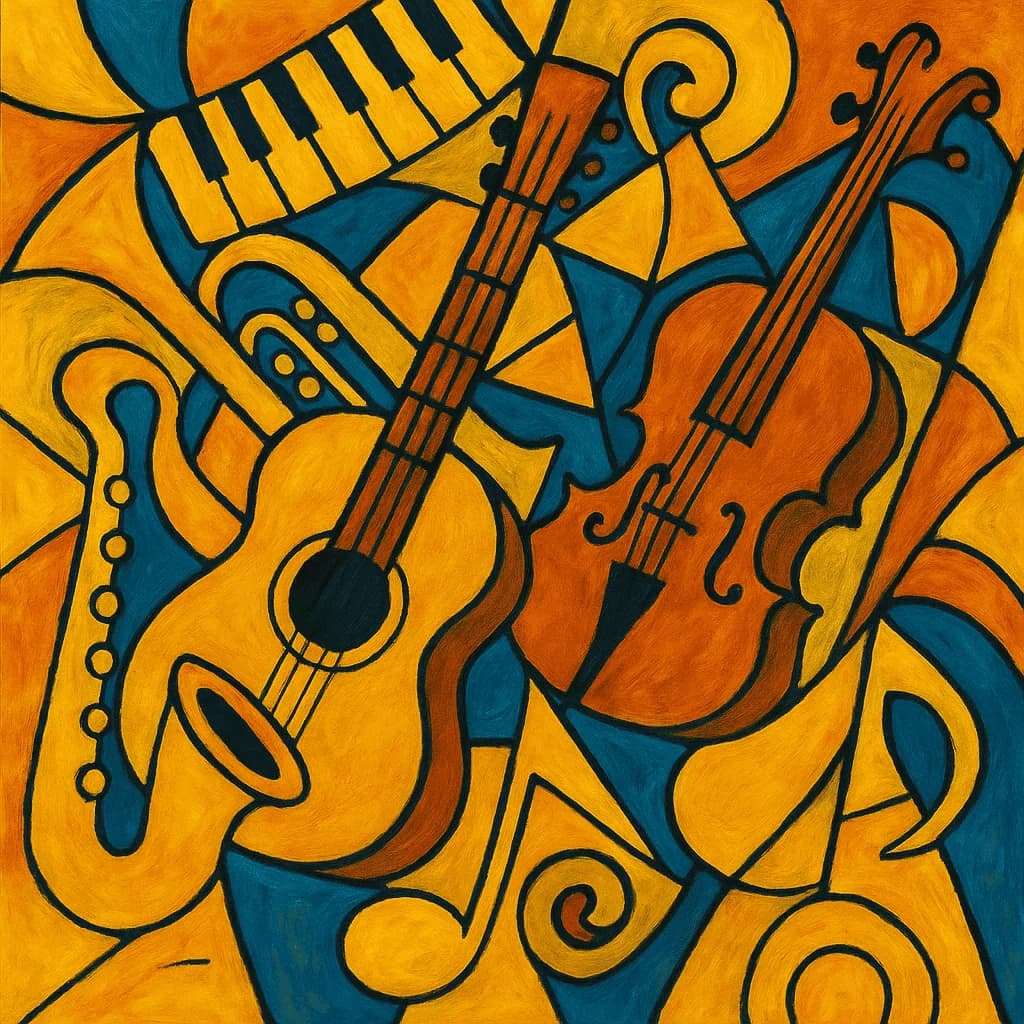
Documented as an early-1980s U.S. jazz revival tied to straight-ahead, acoustic playing and a renewed interest in bebop and hard bop traditions.
The sound
Characteristics
- Acoustic horn-led ensembles
- Trumpet
- Saxophone
- Piano
- Double bass
- Drums
History
Neo-bop emerged in the early 1980s in the United States as part of a broader return to acoustic, traditional jazz values after the dominance of fusion and avant-garde currents. AllMusic places the style under hard bop, and reference sources describe it as a revival of bebop/hard bop language that became closely associated with Wynton Marsalis and the broader young-lions era. That revival was not a museum piece so much as a re-centering: players used classic forms, swing feel, and crisp improvisation to make older jazz vocabularies sound current again. Roy Hargrove’s official bio describes him as a steward of the bebop tradition and a bridge to newer sounds, which fits the way neo-bop often sits between reverence and renewal.
Notable artists
- WMWynton Marsalis
- RHRoy Hargrove
- JRJoshua Redman
- WSWoody Shaw
- TBTerence Blanchard
Essential listening
- 1
- 2
- 3
- 4
Explore connected genres
Sources and further reading
- allmusic.com
Neo-bop is cataloged by AllMusic as a hard-bop-related jazz style.
- en.wikipedia.org
Reference sources place neo-bop’s cultural origin in the early 1980s in the United States.
- Apple Music
Wynton Marsalis is strongly associated with the style and the young-lions era.
- royhargroveofficial.com
Roy Hargrove’s official biography describes him as a steward of the bebop tradition and a bridge to newer styles.
- Neo-bop Music Artists
- Jazz Music Genre Overview
- Neo-bop