
Acoustic Blues
Also known as Country Blues, Pre-war Blues, Traditional Blues
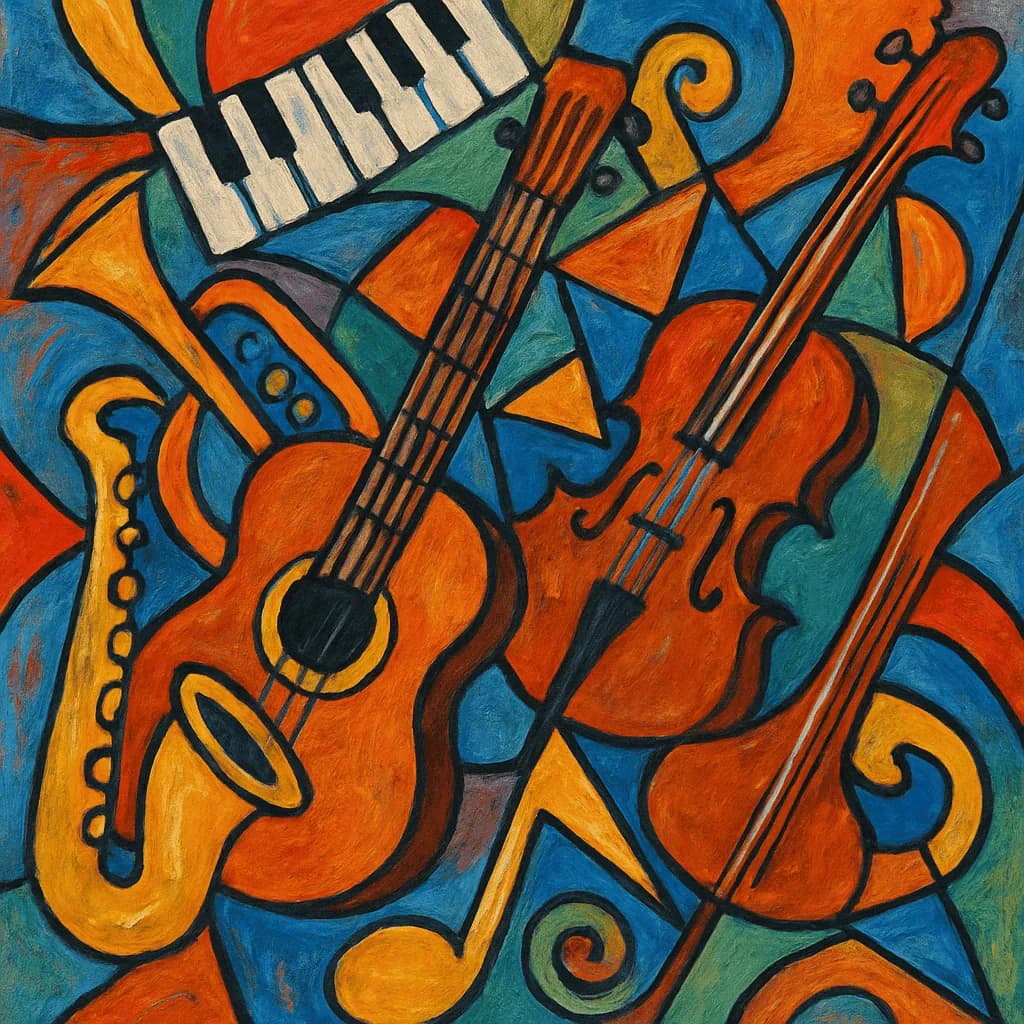
A broad umbrella for unplugged blues traditions, acoustic blues links the oldest commercial blues sides to the field hollers, work songs, and rural guitar styles that shaped the genre’s early sound.
Origins and context
African American rural music traditions, especially work songs, field hollers, spirituals, and early recorded blues from the South.
The sound
Characteristics
- Acoustic guitar
- Vocals
- Harmonica
- Banjo
- Mandolin
- Piano
- Slide guitar
- Fingerpicking
How to listen
Listen for
- Voice-and-guitar interplay
- Fingerpicked bass lines
- Slide guitar glides
- Call-and-response phrasing
- Room tone and minimal backing
Best for
- Listeners drawn to intimate solo performances
- Fans of pre-war blues and folk-blues crossovers
History
The genre grew out of African American musical life in the Southern United States, drawing on work songs, field hollers, spirituals, and related vernacular forms before and alongside the first commercial blues recordings. Library of Congress sources note that by the 1890s blues was already recognizable in the South, and early recordings in the 1920s and 1930s preserved many of the rural acoustic styles that later listeners grouped under this umbrella. (loc.gov) Because “acoustic blues” is a broad retrospective label rather than a single fixed scene, it often covers regional strains such as Delta, Piedmont, Texas, and songster traditions. Later revival-era artists kept that sound alive, but the older recordings remain its clearest center of gravity: small, direct performances where the guitar often feels like a second voice.
Notable artists
- RJRobert Johnson
- MJMississippi John Hurt
- SHSon House
- BBBlind Blake
- BBBig Bill Broonzy
- ECElizabeth Cotten
Essential listening
- 1
- 2
- 3
- 4
Explore connected genres
Sources and further reading
- Acoustic Blues Music Subgenre Overview
- Blues
- Biography - Robert Johnson Blues Foundation
- Apple Music
Elizabeth Cotten is associated with the song 'Freight Train' and is noted for her fingerpicking style.