
Bounce
Also known as New Orleans bounce
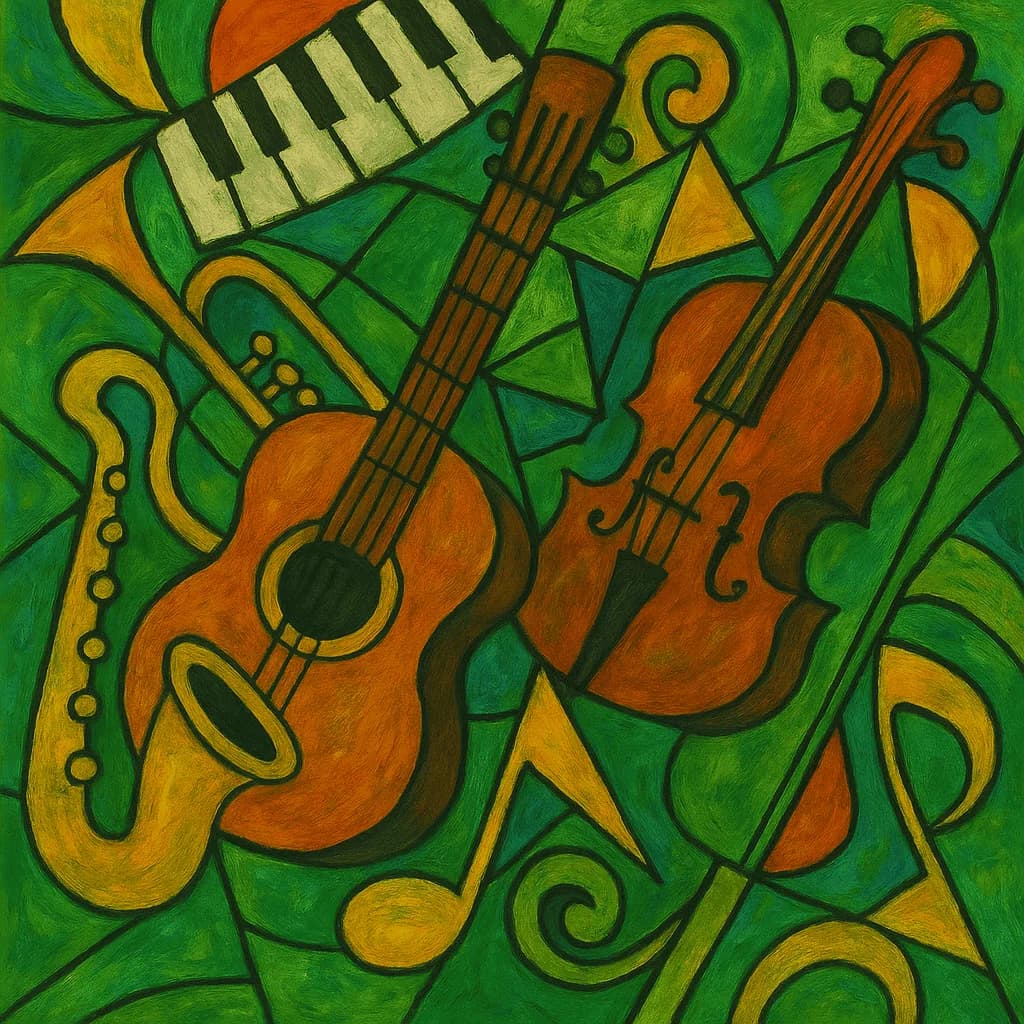
A tightly rooted New Orleans rap style built for participation, bounce grew out of local party culture and later travelled outward through artists like DJ Jubilee and Big Freedia.
Origins and context
Emerging from the New Orleans rap scene and shaped by local party performance, brass-band traditions, and call-and-response crowd interaction.
The sound
Characteristics
- Fast, percussive drum-machine beats
- Call-and-response chants
- Looped or repetitive hooks
- Brass-band influence
- Crowd-participation vocals
How to listen
Start here
- Big Freedia
- DJ Jubilee
Mood
- Rowdy
- Playful
- Physical
- Communal
Best for
- Dance floors
- Party playlists
- Introducing New Orleans hip-hop
History
Bounce took shape in New Orleans in the early 1990s, growing out of the local rap scene rather than arriving as a neat, fully labeled style. Documentation from artists and music sources places pioneers such as DJ Jubilee at the center of that early movement, while later figures like Big Freedia helped push the sound from neighborhood parties and local radio into wider national attention. The genre’s home base matters: New Orleans bounce draws on the city’s brass-band pulse, second-line energy, and a performance culture that prizes momentum, humor, and direct interaction with the crowd. That mix gives bounce its hard snap and its communal feel, and it also explains why the music has stayed so closely tied to dance floors, block parties, and live call-and-response performance.
Notable artists
- DJDJ Jubilee
- BFBig Freedia
- 5W5th Ward Weebie
Essential listening
- 1
Big Freedia
- 2
DJ Jubilee
- 3
3rd Ward Bounce
- 4
Bouncing All over the World
Explore connected genres
Sources and further reading
- WWOZ: DJ Jubilee
- Big Freedia official biography
- Spotify
Apple Music and Spotify artist pages describe Big Freedia as the artist who helped take bounce national.
- AllMusic: 5th Ward Weebie biography