
New York Blues
Also known as New York Blues, East Coast Blues, Uptown Blues
A loose but historically grounded tag for urban, jazz-tinged blues associated with New York’s postwar R&B and jump-blues scene.
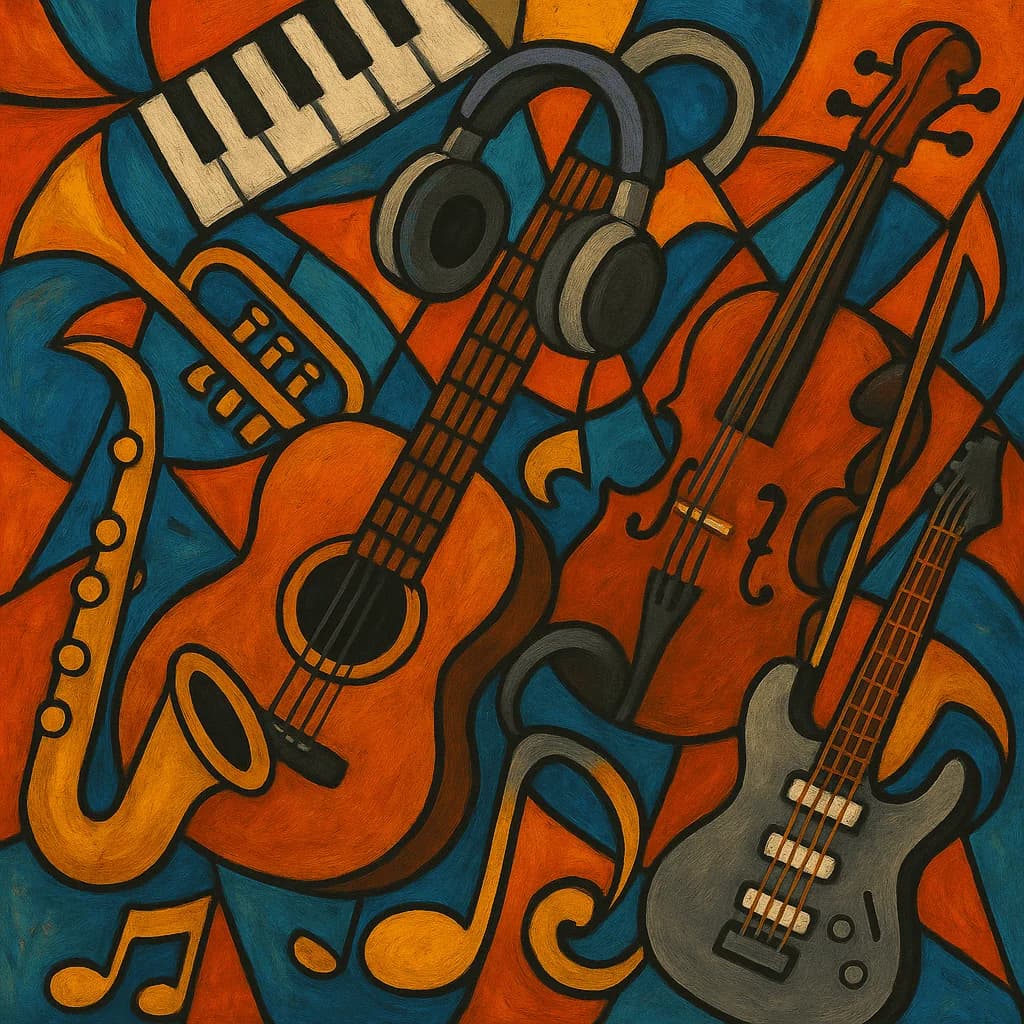
Origins and context
The sound
Characteristics
- Prominent vocals
- Electric guitar
- Tenor saxophone
- Piano
- Horns
- Rhythm section
History
Documented references to New York blues describe it as an early-20th-century urban blues idiom with stronger jazz influence and a more modern feel than country blues. In later retellings, the style is often tied to New York’s role as a recording and performance center, where blues migrated north and mixed with the city’s broader jazz and R&B ecosystem. The label is not always used as a sharply bounded genre name, so it reads more like a useful scene descriptor than a rigid category. That ambiguity is part of its story: the sound is real and well documented, but the tag itself is looser than better-defined blues subgenres.
Notable artists
- RBRuth Brown
- BJBig Joe Turner
- RBRoy Brown
Essential listening
- 1
- 2
- 3
- 4
Explore connected genres
Sources and further reading
- New York Blues Music Style Overview
- Music of New York City
- allmusic.com
Ruth Brown’s New York-linked Atlantic work helped establish a major postwar R&B sound centered in the city.
- blues.org
Big Joe Turner’s Atlantic-era recordings were cut in New York City and are tied to the jump-blues / blues-shouter side of the style.