
Jump Blues
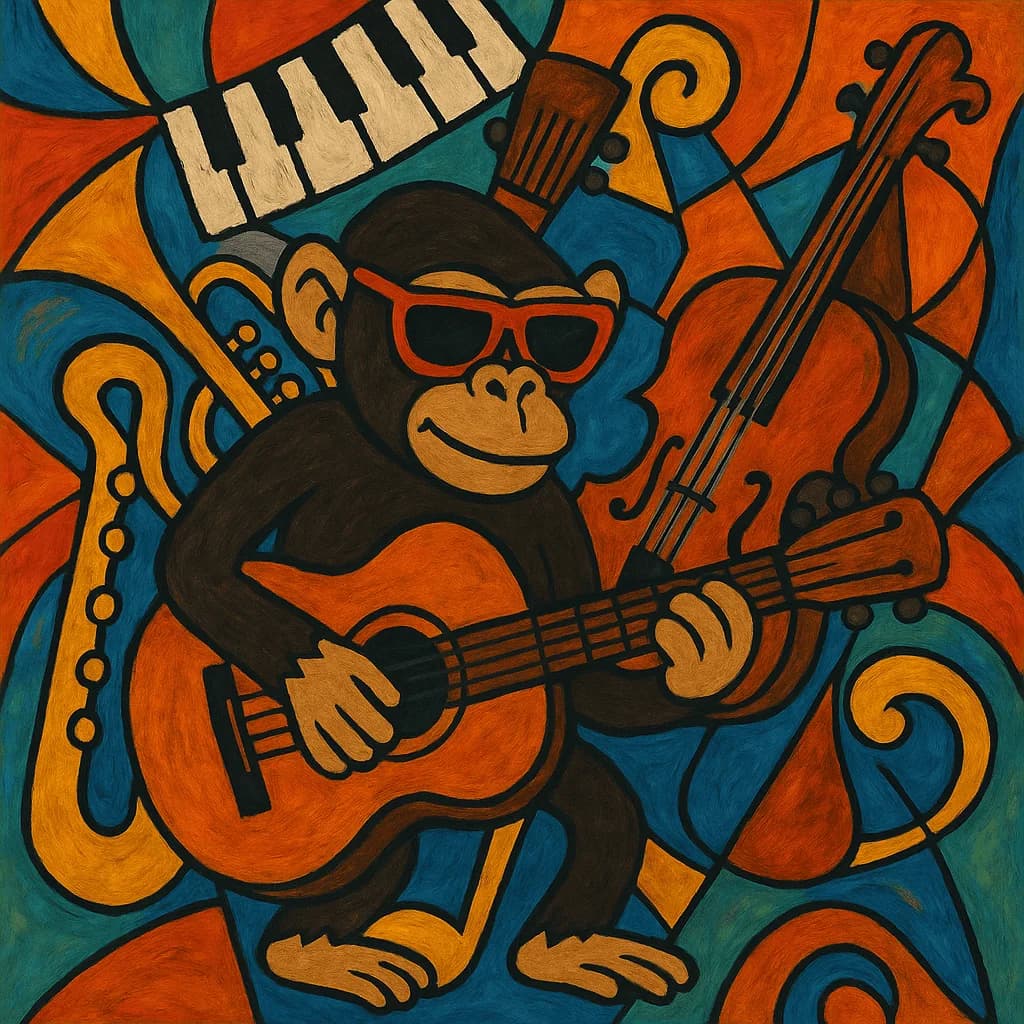
A lively postwar blues style where swing met the jukebox, jump blues turned small bands into party machines and helped clear a path toward rhythm and blues and rock and roll.
Origins and context
Developed in African American dance bands and small-combo blues scenes during the 1940s, especially around Louis Jordan’s work in swing-influenced R&B and related postwar club and jukebox culture.
The sound
Characteristics
- Up-tempo shuffle rhythms
- Boogie-woogie bass lines
- Horn section
- Tenor saxophone
- Piano
- Drums
- Vocals
History
Jump blues came into view in the 1940s, growing out of the overlap between swing, small-band blues, and boogie-woogie. Louis Jordan is widely documented as one of its key architects; Smithsonian sources describe his Tympany Five as blending swing horn riffs, shuffle rhythm, boogie-woogie bass lines, and short horn patterns, while AllMusic places jump blues as a bridge between older blues forms and the big-band sound of the 1940s. (folklife.si.edu) By the late 1940s, the style fed directly into rhythm and blues and helped set the stage for rock and roll. Big Joe Turner is another major name in that lineage, with AllMusic noting that his hard-swinging postwar style helped define boogie-woogie, R&B, and jump blues.
Notable artists
- LJLouis Jordan
- BJBig Joe Turner
- WHWynonie Harris
- RBRoy Brown
Essential listening
- 1
- 2
Explore connected genres
Sources and further reading
- AllMusic: Jump Blues genre overview
- Smithsonian Center for Folklife and Cultural Heritage: history of rhythm and blues and Louis Jordan’s jump blues role
- allmusic.com
Big Joe Turner helped define boogie-woogie, R&B, and jump blues.