
Dansband
Also known as dansbandsmusik
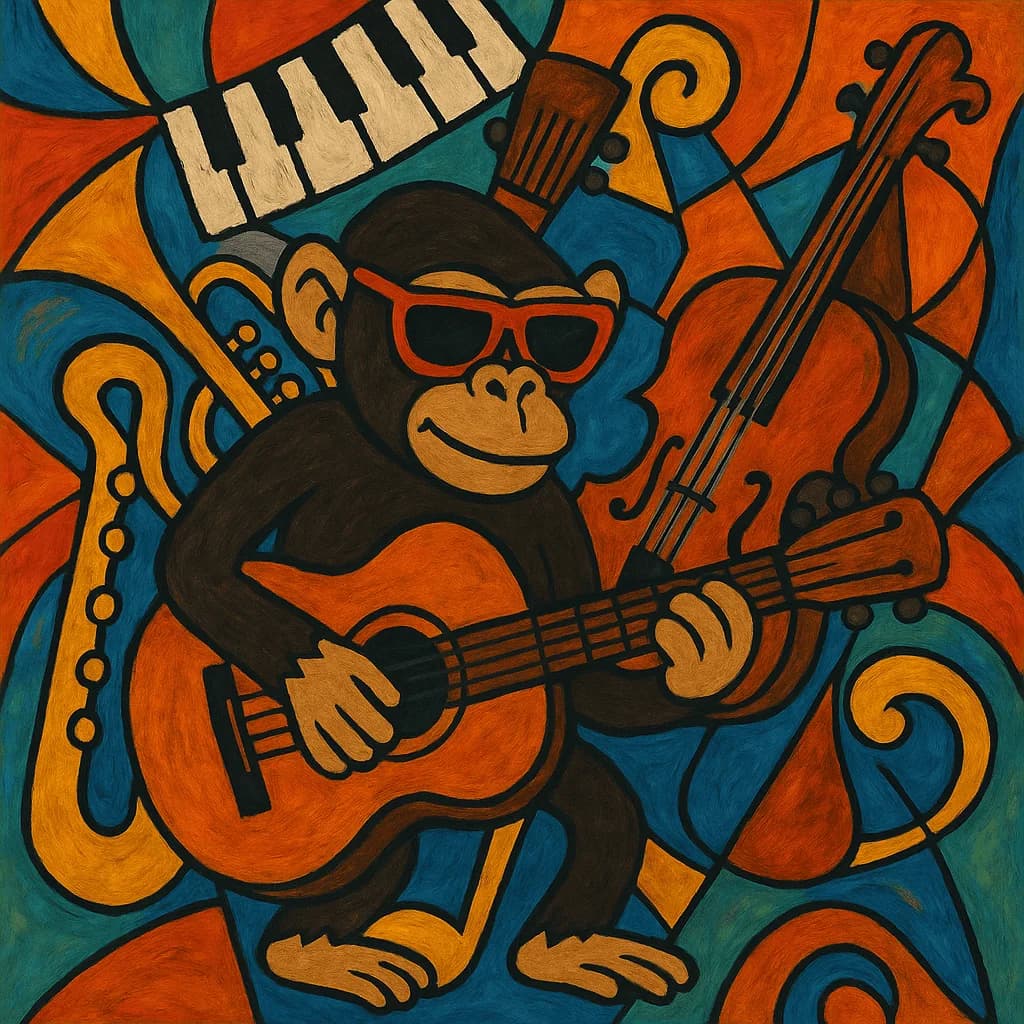
A Swedish dance-music tradition that grew into a named genre in the late 1960s and early 1970s, built for social dancing and sustained by long-running bands with strong ties to live venues and mainstream Nordic pop.
Origins and context
A Swedish dance-music scene centered on live performances for social dancing at dance venues and parks, later codified as dansbandmusik in the late 1960s and early 1970s.
The sound
Characteristics
- Catchy melodies
- Simple, direct lyrics
- Dance-friendly beat
- Schlager influence
- Country influence
- Rock & roll influence
- Swing influence
- Pop instrumentation
History
The name and label are relatively late, with Swedish encyclopedic sources noting that the earliest documented Swedish uses appear from the late 1960s, even though the social practice behind the music is older. In that period, dansband became a distinct working style for bands playing dance venues across Sweden, and by the early 1970s it had settled into a recognizable genre voice of its own. (ne.se) The genre’s most visible years came in the 1970s and 1980s, when groups such as Vikingarna and Lasse Stefanz helped define the sound and keep it present in mainstream Nordic popular culture. Official artist pages for both acts still describe them as dansband and point to the long-running club-and-dance audience that shaped the genre’s identity.
Notable artists
Essential listening
- 1
Vikingarna
- 2
Lasse Stefanz
- 3
Arvingarna
- 4
NE.se entry on dansbandsmusik
Explore connected genres
Sources and further reading
- NE.se: dansbandsmusik
- Vikingarna on Apple Music
- Apple Music
Lasse Stefanz are described by Apple Music as one of Sweden's most popular dansbands of their era.
- Spotify
Arvingarna’s Spotify artist page identifies the act as a prominent current dansband act via artist playlists and genre context.
- NE.se: dansband
- Thorleifs on Apple Music