
Cumbia
Also known as Colombian cumbia
A coastal Colombian tradition that has traveled far, cumbia now lives as both a local heritage and a sprawling Latin American family of sounds.
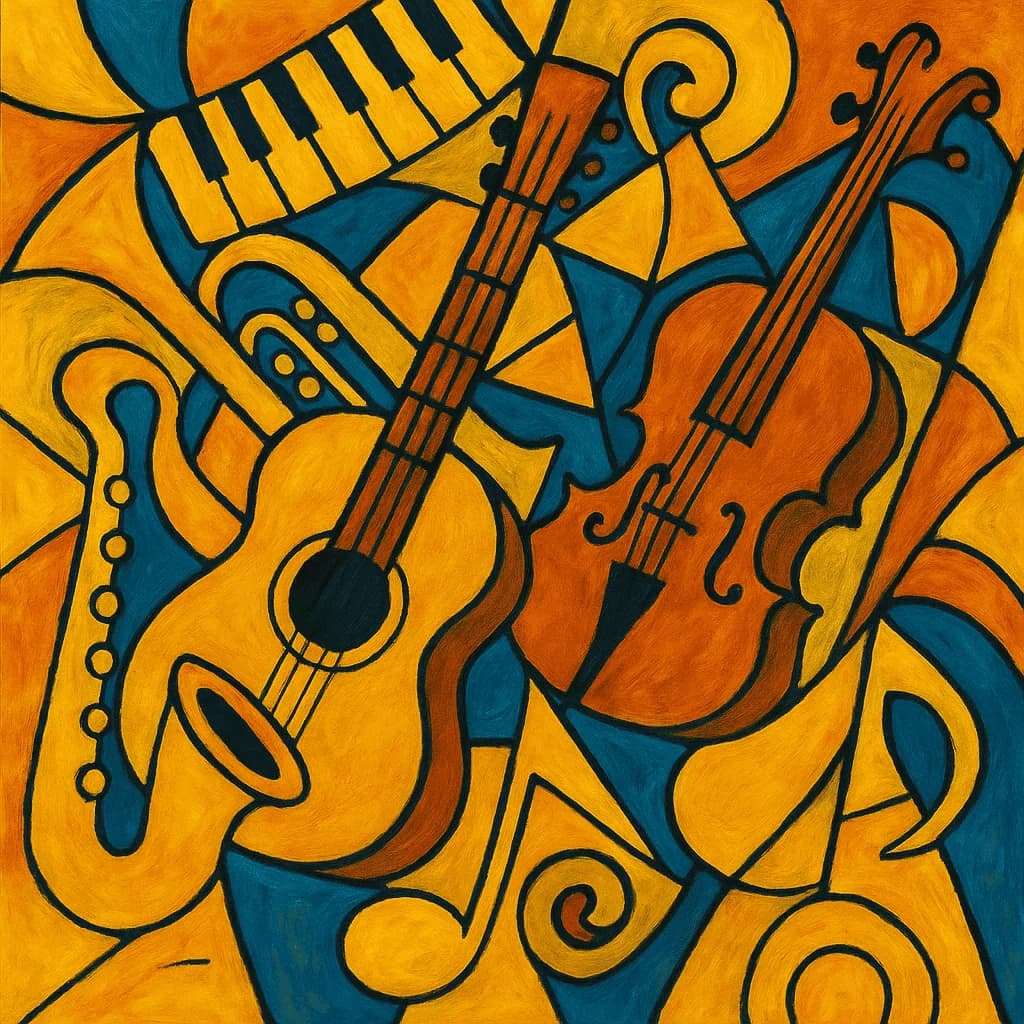
Origins and context
A Colombian Caribbean tradition shaped by African, Indigenous, and European musical exchange.
History
Cumbia is documented as a traditional music and dance form of the Colombian Caribbean, with deep ties to the country’s multiethnic coastal culture. Colombia’s Ministry of Culture describes its characteristic use of gaita or caña de millo alongside African-influenced drums, and notes the genre’s regional variants within Colombia. (patrimonio.mincultura.gov.co) By the mid-20th century, commercial cumbia had spread well beyond Colombia and adapted to local scenes across Latin America. That wider circulation helped the genre become less a single fixed style than a family of related sounds, from classic coastal forms to pop-leaning regional offshoots.
Notable artists
- CVCarlos Vives
- LSLa Sonora Dinamita
Essential listening
- 1
- 2
- 3
Carlos Vives
- 4
La Sonora Dinamita
Explore connected genres
Sources and further reading
- Cumbia tradicional del Caribe Colombiano
- en.wikipedia.org
Commercial cumbia spread across Latin America and developed regional variants.
- Carlos Vives artist page
- La Sonora Dinamita artist page