Classic Country
A retrospective label for the older, story-first side of country music, centered on mid-century recordings that still feel intimate and sturdy in the hand.
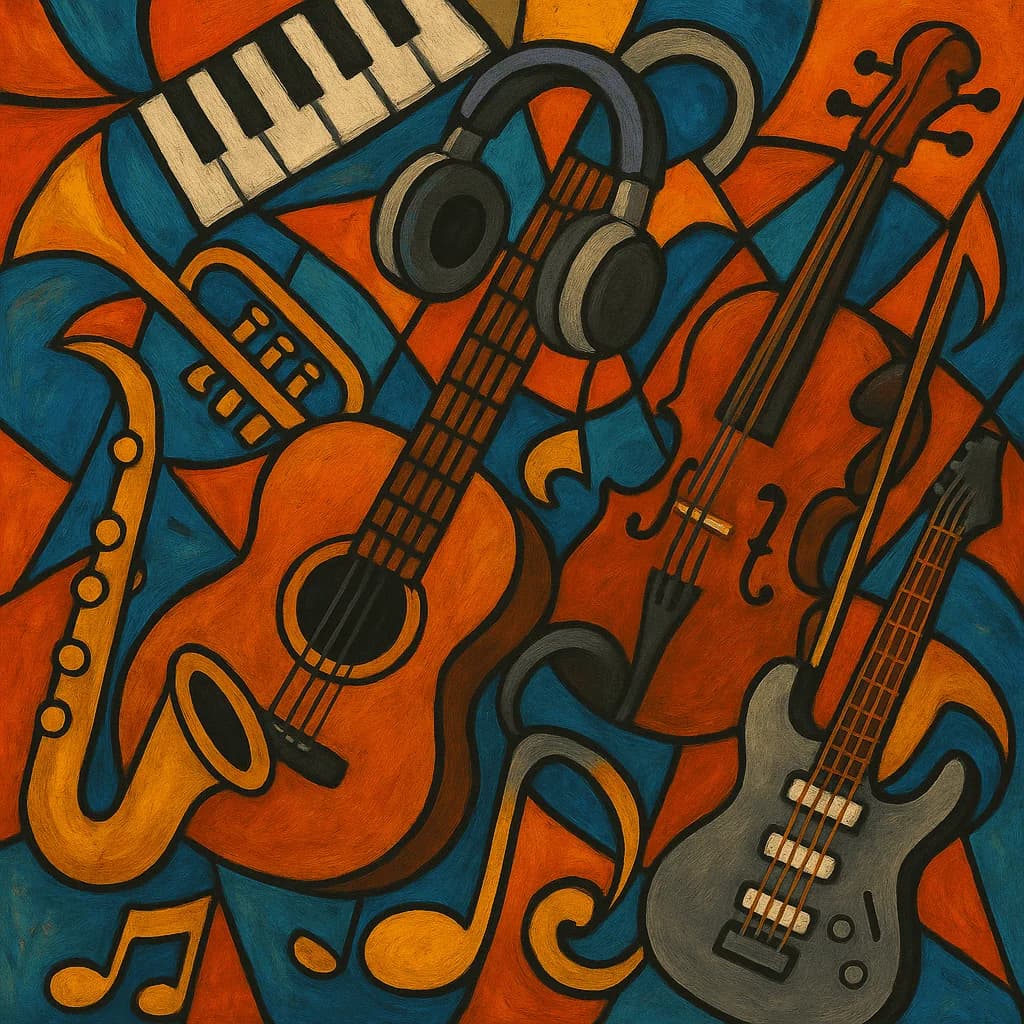
Origins and context
Retrospective listening and music-collection usage around mid-20th-century American country recordings.
The sound
Characteristics
- Acoustic guitar
- Fiddle
- Pedal steel guitar
- Upright bass
How to listen
Start here
- Hank Williams for the honky-tonk core
- Patsy Cline for the polished emotional glide
- Johnny Cash for the spare, narrative edge
Listen for
- Direct storytelling
- Steel-guitar shimmer
- Fiddle lines that answer the vocal
- A performance style that stays close to the lyric
Mood
- Plainspoken
- Wistful
- Earthy
History
The label “classic country” is used today as a retrospective umbrella rather than a sharply bounded historical genre. Its core sound grew out of mid-20th-century country music, especially the Nashville-centered styles that followed honky-tonk and western swing, and artists such as Hank Williams, Patsy Cline, and Johnny Cash became lasting reference points for the style. Williams was already being framed by the Country Music Hall of Fame as a foundational figure of contemporary country songcraft, and Cline and Cash helped define the emotional and commercial reach of the music that later listeners would call classic country. Because this is a listener-driven retrospective category, its boundaries are a little soft. In practice, the term tends to gather recordings from the 1950s through the 1970s that still feel close to the genre’s older rural, honky-tonk, and Nashville traditions, even as country kept changing around them.
Notable artists
- HWHank Williams
- PCPatsy Cline
- JCJohnny Cash
- EAEddy Arnold
- AJAlan Jackson
Essential listening
- 1
- 2
- 3
Hank Williams
- 4
Patsy Cline